Introduction
In today's hectic world, being equipped with the expertise and abilities to manage emergencies can make a considerable difference. Whether you are a parent, educator, train, or simply someone who wants to contribute to security in your area, enrolling in a first aid course is an excellent step. This short article will guide you through what to expect during your emergency treatment course experience. From comprehending the educational program to the accreditation process, we'll cover whatever you need to learn about first aid and CPR courses
What to Anticipate from Your First Aid Course Experience
When going to an emergency treatment course, it's all-natural to question what you'll discover and exactly how it will exist. Commonly, these programs encompass various subjects varying from standard first aid techniques to sophisticated life assistance techniques.
1. Understanding the Training Course Structure
First aid programs differ in structure depending upon the service provider. Nevertheless, most programs consist of theoretical lessons complied with by functional sessions. You can anticipate:
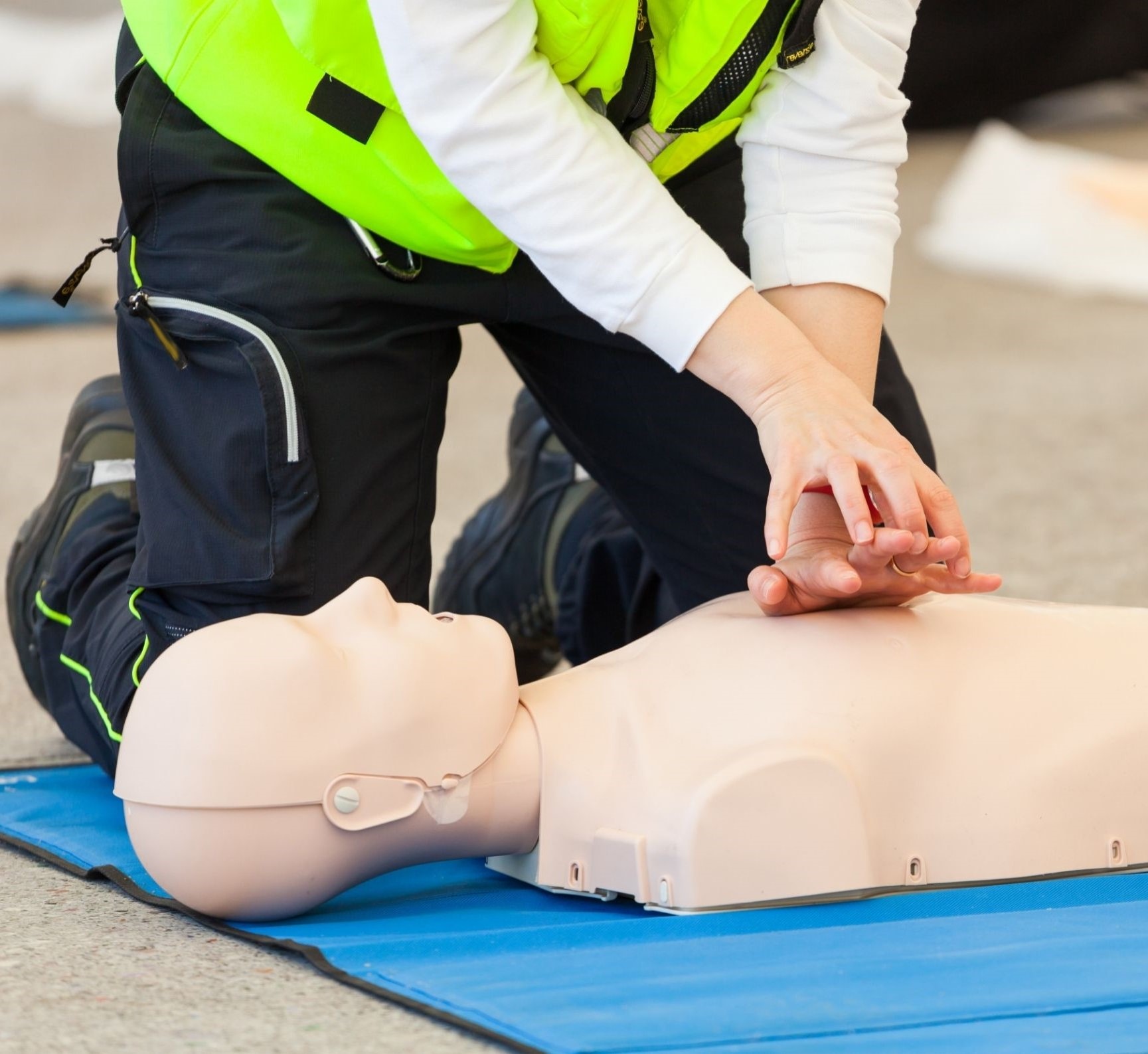
- Interactive Knowing: Engaging lectures that permit inquiries and discussions. Hands-On Practice: Opportunities to exercise techniques like mouth-to-mouth resuscitation on mannequins.
2. Essential Subjects Covered
During your first aid course experience, you'll dive into important subjects such as:
- CPR Strategies: Understanding just how to execute CPR effectively can conserve lives. First Aid for Choking: Understanding just how to help somebody who is choking.
3. Discovering CPR: The Heart of First Aid
One vital aspect of your training will include learning cardiopulmonary resuscitation (MOUTH-TO-MOUTH RESUSCITATION). This skill is important throughout emergency situations when Child Care First Aid Course Mackay every second counts. You'll learn:
- The significance of very early defibrillation How to examine a victim's responsiveness The steps for adult, child, and baby CPR
4. Qualification Process: What You Need to Know
After completing your training, you'll likely receive a first aid certificate which verifies your skills. Here's what you can expect:
- Completion of both composed and practical exams. Recognition from controling bodies like the Red Cross or St. John Ambulance.
5. Abilities You'll Gain Beyond First Aid
Enrolling in a first aid and CPR course doesn't simply equip you with emergency abilities; it likewise fosters self-confidence and recognition in various scenarios:
- Improved decision-making under pressure Enhanced interaction abilities for handling crises
Why Take a First Aid Course?
The advantages of taking an emergency treatment course are many. Whether you're taking a look at it simply from a personal growth perspective or considering its specialist applications, here are some engaging reasons.
6. Enhancing Work Environment Safety
Many work environments require employees to have standard emergency treatment understanding. By participating in these courses:
- You add positively towards workplace safety. You'll be better gotten ready for emergency situations that may emerge on-site.
7. Fostering Area Well-being
Knowing emergency treatment enables you not just to assist friends and family yet additionally neighbors and community participants in times of need.
8. Getting ready for Parenthood
For new parents, learning more about emergency treatment can provide assurance when caring for children.
Common Misconceptions About First Aid Courses
Despite their value, there are several misunderstandings surrounding emergency treatment training courses that may deter people from enrolling.
9. It's Just for Medical Professionals
Many believe that only physician must take these programs; nevertheless, anyone can benefit!
10. It's also Complicated
First help training is created for everybody! The methods educated are uncomplicated with a lot of hands-on practice.
The Period of Emergency treatment Courses: A Breakdown
Another typical inquiry concern for how long these programs take.
|Program Type|Period|| ------------------|-------------------|| Basic Emergency Treatment|6 - 8 hours|| Advanced Courses|12 - 20 hours|| Mouth-to-mouth resuscitation Courses|4 - 6 hours|
This table offers you an idea about time dedication depending on the type of course.
What Should You Bring? Essentials Checklist
When preparing for your first aid course experience, take into consideration loading the complying with items:

Preparing Mentally: Getting Ready for Hands-On Training
Your state of mind going into the course is equally as crucial as your prep work physically.
11. Accept the Knowing Curve
Don't hesitate if things seem overwhelming at first; keep in mind that technique makes perfect!
12. Remain Open-Minded
You might encounter circumstances that challenge your preconceived notions about emergency situation situations.
Frequently Asked Questions (FAQs)
FAQ 1: What accreditations do I obtain at the end of my first aid course?
Most recognized courses give a recognized certificate upon conclusion, validating your skills in first aid and CPR.
FAQ 2: Are there age limitations for enrolling?
Generally, anybody over the age of 12 can enroll in standard first-aid courses; however, check with specific carriers for age requirements.
FAQ 3: Can I take advanced courses without prior training?
It's a good idea to complete basic training prior to dealing with advanced topics; this guarantees foundational understanding is solidified.
FAQ 4: Just how usually should I restore my certification?
Typically, it's suggested that you restore your certificate every two years; however, specific timing may vary by organization.
FAQ 5: Are on-line training courses effective contrasted to in-person training?
While online programs can supply flexibility and accessibility to information, they frequently lack vital hands-on practice elements necessary for understanding skills like CPR.

FAQ 6: Will I discover how to use an AED?
Yes! Most detailed first-aid courses include education on using automatic outside defibrillators (AEDs), which is important during heart emergencies.
Conclusion: Empower Yourself With Knowledge
Completing a first help course encourages people with essential skills that might possibly save lives someday-- be it in the house or within the community setup! With proper expertise comes self-confidence; this self-confidence helps cultivate more secure settings any place we go!
By currently, you have actually gathered insights on what to get out of your first-aid program experience As you embark on this trip toward coming to be licensed in life-saving methods like mouth-to-mouth resuscitation or general first-aid methods-- accept every moment! Acting today can suggest making all the distinction tomorrow when it counts most!